Analytical Essays

“Analysis is the art of creation through destruction.” ― P.S. Baber, Cassie Draws the Universe

Great, you finished watching a movie or reading a book for college or university! Before you’re free to go on exploring the wonders of college life, the professor decides to give you some more work to do. Get ready to face the challenge! The pro gives out the instructions and tells you to analyze the book/movie and provide an informative argument for any related topic of your choice. Does it seem tedious?

TABLE OF CONTENTS

  • Definition
  • Ideas
  • Different Types of Analysis
    • Poetry Analysis Essay
    • Rhetorical Analysis Essay
    • Literary Analysis Essay
    • Process Analysis Essay
    • Character Analysis Essay
    • Causal Analysis Essay
  • Steps to Take Before Writing
  • Brainstorming
  • Creating A Thesis
  • Outline
  • Analytical Essay Examples

What is An Analytical Essay?

The primary question to answer is, “What is an analytical essay?” “What should an analytical essay do?” Those are all great questions.

If we take a look at the official analytical essay definition, the term “analysis”means a critical and well thought-out observation of a specific idea. An essay is a piece of academic writing to test your knowledge. By combining these two interpretations, we can define an analytical paper in the best possible way.

An analytical essay is a piece of writing that provides an informative observation about the specific topic or idea. It has to link back to the book/movie, but contain your judgments as well.

Analytical Essay Topics And Ideas

There is an infinite number of different essay topics that can be analyzed. Think about any sort of fact or idea.

A student should not necessarily pick the issue that has already been examined from all aspects – the main reason why tutors do not always assign the specific topics to cover is the ability of students to develop their creativity.

So, if you wonder how to choose the proper analytical essay topics, the infographic below will give you a clue.

That is how you select the topic if it is not specified. Here are some of the great analytical essay topics so that you have a general idea of how the final title of your paper should look like:

  1. Reasons why some teens are more susceptible to peer pressure than other kids
  2. In a what way does public debt affect private investment companies
  3. Pros and cons of using performance-enhancing drugs
  4. The primary signs of the job burnout
  5. The relevance of Karl Marx and his teachings to contemporary society
  6. The impact of the national high school curriculum on the teaching standards
  7. The practical ways to develop positive relations with company shareholders
  8. Qualities of the young adults that may push them to suicide
  9. Factors that increase the threat of cyberbullying for teenagers
  10. Should sex education be eliminated from the school program?

Different Types of Analysis

There are six basic types of analytical essays based on the different types of analysis itself. Every separate kind varies by its definition and purposes. You need to know how to write an analysis essay of every type as different life situations will require various approaches to analyzing things. Let’s get into the various types of analysis! Only after reading about each, you will get the best answer to the question, “What is an analytical essay?”

Poetry Analysis Essay

Poetry analysis requires the writer to research the poem’s content, structure, and historical significance. A writer should do it in an explanatory style.

The main purpose is to make the reader understand the poem’s overall significance and messages.

Examples of this can be:

  • Robert Frost’s The Road Not Taken
  • Edgar Allan Poe’s A Dream Within a Dream
  • Emily Dickinson’s There is Another Sky

Rhetorical Analysis Essay

Rhetorical analysis is an essay where you prove or reprove a fact that already holds weight. Imagine you are proving a fact to somebody who either can’t comprehend it or is skeptical of its authenticity. This type of analysis is based on facts & logic. Rhetorical papers tend to be written in the fields of science and mathematics!

Examples of the rhetorical analysis ideas could be:

  • Geometric Proofs
  • Fundamental of Physics (Newton’s Law, Theory of Relativity,…)
  • General Principle of Economics (Money makes Money)

Literary Analysis Essay

Be ready to face it at your literature class. After reading a specific short story or any piece of literature, provide an informative analysis of a certain situation, or critically analyze a quote and its impact on the plot.

A literary analysis usually goes deeper into things such as emotion and decision making of certain characters!

Examples could be:

  • Effects of “Utopia-rescue” societies on people! Book: 1984 By George Orwell
  • Loves an effect on human decision making. Romeo and Juliet by Shakespeare
  • Conforming to societies norms: To Kill a Mockingbird by Harper Lee!

Process Analysis Essay

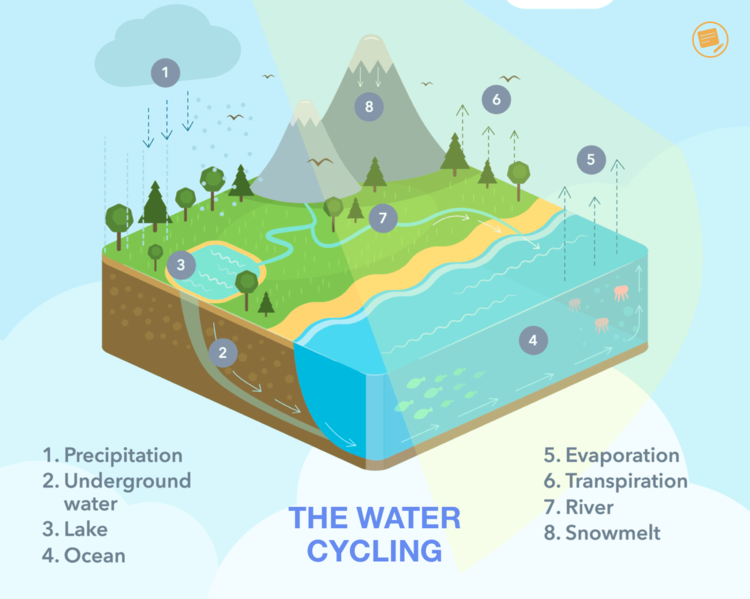
If we think about the definition, a process is a change from one state to another through several stages/levels. A common way to explain this change is through a process analysis essay format. This would require you to explain its purpose, as well as explaining the transformation through a series of paragraphs.
Examples of this can be:

  • Describing the Water Cycle
  • Offering a general assessment of the piece, pointing out the strengths and differences
  • Defining each of the special terms used by the author to make the piece sound more professional
  • Analyzing the list of materials used and quoted by the author: their relevance, credibility, etc.

Character Analysis Essay

Character analysis requires you to explain and analyze the transformation of a character from the initial point until the end. Things that should be analyzed are: personality, character traits, mental reformation, role in society, etc. Explain the character’s development.

Examples of this paper can be:

  • Transformation of Huck and Jim in The Adventures of Huckleberry Finn
  • Will Hunting’s mental evolution in Good Will Hunting
  • Viktor Navorksi in The Terminal

Causal Analysis Essay

The causal essay requires you to answer a “why” question. Causal academic paper is also known as the speculating about causes essay, and it requires you to describe the process that occurs, following up with why you believe it occurred the way it did.

Examples can be:

  • Why do we respond physically to fear?
  • Why do teenagers rebel against their parents and authority?
  • Why are random shootings & similar crimes becoming more common in the US and some other neighboring American countries?

These are just some of the most common types of analytical essays. The variation is practically endless, but they all must follow the same type of outline.

Steps To Take Before Writing

Preparation is key in writing that well-rounded and high-quality paper. An analytical paper may require up to 2 hours of the pre-writing process. So before you start typing up your masterpiece, 6 steps should be taken:

  1. Reading how to write an analysis paper (this guide is a good example);
  2. Brainstorming and deciding on a topic (look for the details above);
  3. Crafting a captivating title (it should not repeat the topic);
  4. Creating a strong thesis statement;
  5. Finding supporting evidence from credible sources;
  6. Creating an outline.

Create A Strong Analytical Essay Thesis

The goal of the analytical essay is to prove a certain point that the writer is trying to make. From the information that has been gathered, the writer needs to link things together and create a certain decision.

The central argument is called a thesis statement. It’s a claim created to prove an assumption created by the writer, using facts, statistics, examples, and research findings. For certain topics, it’s important to introduce the outside forces that contributed to the creation of a thesis statement.

An example will help.

“If you are talking about historical events, it’s essential to introduce the external factors (books or manuscripts) that led to your analytical essay thesis. If we are talking about scientific research, considering the scientific method is a necessity.”

The thesis should be controversial, debatable, and it requires tons of thorough research to come up with a respectable statement. This part of your work should be a high impact statement that strongly affects the topic of choice.

Finally, decide on the preferred shape of a thesis statement. Here are some of the categories to choose from:

  • Simply stating an opinion
  • Defining categories, causes, or reasons
  • Offering a couple of aspects of a subject and emphasizing one of them

To prove the central argument, one has to arm to the teeth with credible evidence. Keep on reading to discover how to collect info.

Find Supporting Evidence

Why do you need evidence? You won’t be able to sway anybody with your thesis statement unless it’s backed by something. This is why all good thesis statements need in-depth research, analysis, & some forecasts. It’s important to gather information that supports your argument from the primary sources.
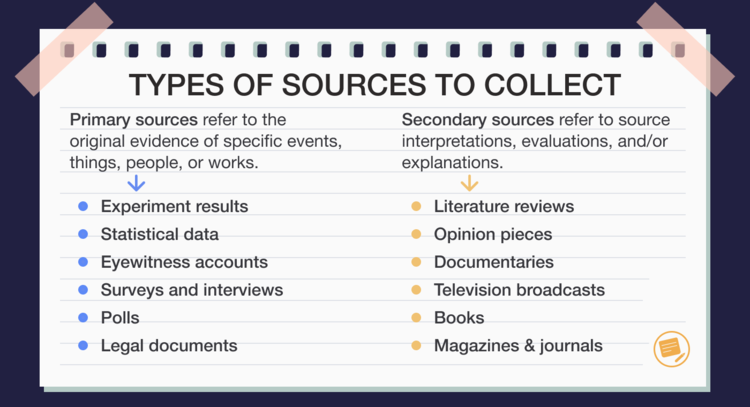
Depending on the type of essay, it won’t necessarily be straightforward information.

If we are talking about a historical topic or some sort of scientific fact, your supporting evidence will evidently be facts taken from previous findings; if you are writing a literary analysis essay, most likely your evidence will be quotes from the story.

Create an Analytical Essay Outline

To learn how to write an analytical essay, one should organize the structure of this paper as it makes the entire writing process easier; the experts recommend having up to 5 paragraphs on your paper outline.

Regardless, the Intro-Body(s)-Conclusion formula is a staple in any analytical essay outline.

Writing an Analytical Essay Introduction

An analytical essay introduction starts out with some sort of background information. Using a hook statement can be effective.

A hook sentence is made of 1-2 sentences aimed to grab the reader’s attentionfrom the opening lines of the analytical essay. The choice of hook depends on the mood of the work:

  • it could be a funny joke/anecdote;
  • proven fact;
  • shaking statistics;
  • rhetorical question to provoke a debate;
  • literary term like metaphor or similar;
  • quote of famous person.

There is no specific style for the introduction, but background information is the most common method of approach; provide information that is relevant to your thesis. This information should start out broad and narrow down in relevance towards the thesis.

We prepared a summary of the introduction below:

  • Hook Statement/ Brief Introductory Point
  • Background Info (Narrowed)
  • Transition sentence
  • Thesis Statement

Write Your Body Paragraphs

The main goal of the body paragraphs is to prove the thesis statement. Each individual paragraph should focus on a certain aspect of the thesis.

For example:

  • if the thesis of an analytical essay is centered around the evolution of Will Hunting;
  • the body paragraphs should each hold their own point;
  • one body paragraph focuses on his diminishing self-guilt;
  • second could talk about the ever increasing support system and its impact on his mentality.

The body paragraphs should maintain proper structure:

  • Topic Sentence: Introduce the main point of the body paragraph in one straightforward and effective sentence.
  • Analysis: Analyze your supporting evidence. Explain how the evidence supports your thesis statement. This part should take 1-2 sentences and is arguably the most important part of the entire analytical essay writing.
  • Evidence: The analysis is created from the supporting evidence that you find (facts, statistics, etc.), so they should always go hand in hand. Make sure that these 2 parts link together in a straightforward manner.
  • Concluding Sentence: Restate to the reader your analysis and its significance to the point in hand.

After reading a single body paragraph, the viewer should have clearly understood the argument or point you were trying to prove.
Depending on the topic, each essay length will vary based on the depth of the thesis.

How to Write a Conclusion for an Analytical Essay?

The conclusion of an analytical essay plays a vital role in the sense that it ties up the entire essay. Keep in mind the integral components of any concluding paragraph.

Start out by restating your thesis statement. The significance of this is to exemplify to your viewer that you have proven the thesis statement and summarize the steps you took.

To end the entire essay, it’s necessary to create an overall concluding statement. This can be either what you have learned from writing the essay or what the audience should take away from your work.

The structure should be:

  • Rephrase the thesis statement
  • Summarize key points
  • Overall concluding statement

That is how to write a conclusion for an analytical essay. Grab some writing tips below to succeed with this type of writing at any academic level!

General Tips & Advice

Proofread& Edit

After writing the entire analytical essay, take a short break and then reread it from front to back. Regardless of the chances that you will find parts of the paper which are filled with mistakes or parts that need clarity, make sure the essay has clarity before handing in completed work.

Get a Second Pair of Eyes

Because the analysis essay made sense to you, doesn’t mean that everyone else will receive it with the same level of understanding. Online essay writer or peer edits help to give the essay a wider range of clarity.

Make Sure the Thesis Fits Your Argument Points

Your paper will be highly judged based on how well you proved your thesis. That’s why it’s important to edit your thesis based on the type of arguments you provided. If your explanations don’t perfectly suit the thesis statement you crafted, then adjust it accordingly.

Analytical Essay Examples

Referring to an analytical essay examples can save you time. A sample can provide a useful insight to how an analytical essay should be. Especially for new-bees to this form of assignment.

DOWNLOAD

DOWNLOAD

Character Analysis

HOW TO WRITE A CHARACTER ANALYSIS ESSAY

Literary courses at any level will sometimes require students to write character analysis essays. We will be delving into their conflicts and how the characters resolve them. We will be looking through the eyes of the characters and analyze their roles in the story.

TABLE OF CONTENTS

  • Definition
  • Purpose
  • Types Of Characters
  • How To Write
  • Outline
  • Example

What is a Character Analysis Essay?

In a broader sense, this is a type of essay which requires an understanding of the character in question. These kinds of essays are used to analyze characters in a literary piece. One of the aims would be to make a profile and analyze the characters thoroughly.

What Is The Purpose

More than to fulfill a requirement, this type of essay mainly helps us understand the character and the world he/she lives in. One of the essential purposes of this essay is to look at the anatomy of a character in the story and dissect who he/she is. We must be able to study how the character was shaped and then learn from their life.

Different Types Of Characters

  • Protagonists (heroes): The main character around whom most of the plot revolves.
  • Antagonists: This is a person that is against the protagonist. This is usually the villain but could also be a natural power, set of circumstances, majestic being, etc.
  • Major: These are the main characters. They run the story. Regularly there are only one or two major characters.
  • Dynamic (changing)
  • Static (unchanging)
  • Minor: These are the figures who help tell the major character’s tale by letting them interact and reveal their personalities, situations, stories. They are commonly static (unchanging).
  • Foils: These are the people whose job is to contrast with the major character.

How to Write it?

To go into a more profound sense and truly understand these characters, one must immerse oneself in the story or literary piece. Take note of the setting, climax, and other important literary parts. You must be able to feel and see through the characters. Observe how the writer shaped these characters into life.Notice how little or how vast the identities of the characters were described. Look at the characters’ morals and behavior and how it affects situations and other characters in the story. Observe characters whom you find interesting.

How to start?

First, you have to choose a character you’d like to write about. Sometimes, a character will be readily assigned to you. It’s wise to consider characters who play a dynamic role in the story. It will captivate the reader since there is tons of information about these characters.

Read The Story

Even if you’ve already heard or read this story before, you will probably need to reread it. It will help you notice something new that you’ve missed before. Keep in mind or highlight every place that your character appears.

Consider the following things:

  • What specific descriptions does the author provide for each character?
  • What kinds of relationship does your character have with others?
  • How do the actions of the character move the plot forward?

Take Notes

While you are reading, take notes or highlight/underline all critical elements of the story. That will add depth when describing your character. When you’re finished reading with your character in mind, review your notes, and formulate the main idea about a character.

Make an initial draft while taking note of the character analysis essay outline provided by your instructor. If you’re not provided with a sample, you may follow the recommended format.

Make An Outline

This step can be considered as one of the most critical steps in writing. A well-constructed outline will keep your thoughts and ideas organized.

Introduction:

Make an introduction of your paper brief and meaningful. It should hold together your whole essay and should spark interest in people. Write a short description of the character in question.

Body:

Subdivide your body paragraphs into different ideas or areas to be considered regarding the character. Look at your professor’s rubric and make sure that you’ll be able to tackle the things required. You should also be provided with questions to be answered to formulate your analysis better. The body should answer the following questions:

  • What are the character’s physical appearance, personality, and background?
  • What were the conflicts that the character experienced and how did he/she overcome them?
  • What can we learn from this character?

Conclusion:

Your conclusion should also hold together your ideas and shape a final analysis statement. Mention things about the character’s conflicts which we can experience in real life. Also, you can write about how a character that should’ve reacted to a certain situation.

Character Analysis Essay Example

There are many character analysis essay examples available online. Study how authors of these essays wrote about different characters. Go on and search for character analysis about Hamlet, Lady Macbeth, and the Crucible. Look at how characters resolve conflicts. Consider things to learn about the characters and take note if any of the characters reflect something in you.
A character analysis essay is more than looking into the character but also looking into the character’s personality, actions, and decisions that speak to you.


DOWNLOAD

Critical Analysis

HOW TO WRITE A CRITICAL ANALYSIS ESSAY

Have you ever read an article and thought to yourself: “I disagree with this writer; I think they are biased.” Perhaps you’ve even gone as far as offering your own opinion in the comments section.

If you’ve done this, good job! You have performed a critical analysis; you’ve analyzed the author’s work and offered your own opinion in response.

Writing a critical analysis essay requires lots of essential reading, as authors always use rhetorical techniques to gain your trust.

In this article, we will list some carefully selected topics and provide examples to give you a better idea of your expected result. We will also present a robust step-by-step process of how to write a critical analysis essay.

TABLE OF CONTENTS

  • What Is a Critical Analysis Essay?
  • 25 Critical Analysis Essay Topics
  • Writing Process
  • Creating a Critical Analysis Essay Outline
  • Techniques Used In Literary Critiques
  • Techniques used in literary critiques
  • Top tips to save you time
  • Example

What Is a Critical Analysis Essay?

A critical analysis essay is a critical evaluation of an argument, an event (modern or historical), any work within its medium (film, books, music), social and political issues, and beyond.

Generally speaking, critical analysis helps us understand things better.

It is a subjective form of observation and evaluation, expressing your personal opinions and reactions.

For example, music critics like Robert Christgau or Anthony Fantano are examples of professionals who do critical analysis for a living. They explore every layer of meaning (or lack of it) that artists put into their music and offer a final subjective opinion.

Let’s take a look at some common critical analysis essay topics to give you an idea of just how broad this essay format is.

25 Cool Critical Analysis Essay Topics

Living in an era of social and political unrest certainly has its benefits.
Students often pick controversial statements, articles or events, because they lend themselves easily to critical analysis. Finding a topic for critical analysis in this day and age shouldn’t be hard.

Here are a few things to consider when deciding on a topic.

  • Make sure the topic lends itself easily to critical analysis. Famous literature and controversial articles would be excellent choices.
  • Find a topic which is widely discussed. Different opinions can help you think outside the box and create a strong argument!
  • Try to keep it narrow. Some topics can be complicated, and it may take books to explore them fully!
  • Talk to your professors for ideas. They will happily point you in the right direction!

If you read books, consider taking the work of your favorite author. Famous books like Alice in Wonderland have been analyzed and interpreted in many different ways; there should be plenty of source material you could use for reference. Here are some of the top critical analysis essay topics that we have found:

Culture Critical Thinking Topics

  1. Pick a sport that famously had a drug abuse history. Summarize and assess the situation, and how it affected the competition.
  2. College football plays a vital role in American Universities. How does it change the community, the spirit, and the economics of the college?
  3. Gain a deeper understanding of homelessness in your city. Why is it a problem and which resources can the city use to help?
  4. Anti-drug campaigns often cause more problems than solutions. Take a look at a similar campaign and analyze its effectiveness.
  5. Take a look at how women are portrayed in a particular medium today. For example the medium of Cinema. Has sexism that polluted 50’s Hollywood been wholly removed from movies?

Mass Media Topics

  1. Take a film. What is the message and how does the director convey it?
  2. Analyze a graphic novel. What is the message/passage, and how does it push the possibilities of the visual novel medium?
  3. Observe the remake of a classic motion picture. What has changed?
  4. Examine the influence of a popular TV series on youth.
  5. Take Facebook. What was the initial idea? Has it grown consistently with the internet and how people use it?

Critical Evaluation Topics on History

  1. Compare Ancient Greece to today. Are the practices, teachings, and rituals of the Ancient Greeks still relevant?
  2. Colonization of America was a brutal time in history. Looking back at it, could we have done it without killing the indigenous people of America?
  3. Ancient Egypt. Tackle the controversies surrounding the pyramids of Giza. Was it slaves or aliens who built them?
  4. World War II. Some say that it was a necessary tragedy that shaped the modern world. Present and analyze this controversial opinion.
  5. Ancient Rome borrowed heavily from Ancient Greek and Egyptian culture and art. However, when Mussolini came around, he wanted to preserve the classic Italian aesthetic of Ancient Rome. Analyze the irony of the ultra-right Fascist movement in light of these facts.

Culture Critical Thinking Topics in Literature

  1. Analyze Mark Twain’s Huckleberry Finn and its impact on racism in America.
  2. Take a dystopian novel like 1984 or Brave New World and compare it to society today.
  3. J.R.R. Martin’s A Song of Ice and Fire is a profoundly subversive series in its genre. How does Martin achieve this, in comparison to Lord of the Rings?
  4. Analyze Orwell’s Animal Farm and compare it to the real history of the Soviet Union.
  5. Shakespeare’s Julius Caesar is purposely wrongly named as the actual protagonist is Brutus. Analyze how this relates to the plot and theme of the play.

Culture Critical Thinking Topics in Sports

  1. Money ruined sports. Analyze the argument to establish whether it’s true or false.
  2. Analyze the effect of betting on the sporting community.
  3. Cristiano Ronaldo is known to be a bit of an actor on the field. Analyze the validity of this claim.
  4. Should cybersports be considered sports?
  5. Some say that FIFA releases the same game every year, exploiting the sports gaming community. Challenge the validity of this claim.

Some of our best essay writers composed this list. We hope that you have found an interesting topic you could use for reference!

Writing Process

Without further ado, let’s learn how to write a critical analysis essay step by step.

Step 1: Critical Reading

The initial step to critical analysis to read carefully and thoroughly, identifying the author’s thesis.

Most of your information will come from reading different sources and understanding different takes and opinions on the same issue. You must pay attention to details, recognize the author’s’ rhetorical devices, biases, and assumptions.

Remember always to write down vocabulary words and define terms that you don’t understand.

Whenever reading a source, always look out for:

  • The author’s intended audience (Good writers write in a specific way to appeal to a particular audience; ex. Playful language appeals to kids, statistics appeal to business people)
  • The author’s means of persuasion (language and rhetoric; ex. Good writers won’t directly say that Burger King is unhealthy, they will present BK’s sick list of ingredients and let the reader make this assumption)
  • The general structure of the writing and how it supports the author’s statements (A blog post about the importance of punctuation, like commas, may illustrate, how, many people, annoyingly, overuse, commas, just, like, this.)

As a critical reader, it is your job to pinpoint the author’s motives and dissect the text for meaning. Understanding how the author tries to achieve their purposes and gain your trust is the whole point of critical reading.

Step 2: Critical Analysis Writing

The first thing to remember is that your job is not to de-legitimize this author’s work. Your post is to serve the reader by exploring the work with them, opening up aspects that were ignored or neglected.

It is your duty to help the world understand the subject to the fullest extent.

Summarize

The first thing to do is provide a summary of your source (event, work of art, etc.). This is done to demonstrate that you have fully understood what you’re talking about.

Summaries should not contain your argument or show any bias towards the source you’re about to discuss.

If the source is a text (as it will most likely be), address the following aspects:

  • How has the author organized the text?
  • Identify the intended audience and why the author has targeted them.
  • Identify the author’s assumptions about the intended audience.
  • List and explain the rhetorical devices, language, and imagery that the author uses in the text.

Write a Thesis

After you have summarized the work, it is time to write a thesis statement.

A critical analysis essay thesis statement is usually your reaction to the source that you have analyzed. As noted before, your opinion is subjective; expect it to be challenged in the future. However, if you can articulate your personal opinion carefully and thoroughly, the reader will trust you.

The best way to make your message clear and consistent is by creating an essay outline.

Creating a Critical Analysis Essay Outline

An outline helps put your arguments in order. Creating a good overview will help you write the critical analysis essay fast and be consistent with your message.

Most instructors will provide a sample of critical analysis essay outline to help you write a well-organized analysis paper.

Before writing a critical analysis paper, make sure you have an outline which organizes your thoughts into a coherent critical essay structure.

Here is a sample critical essay outline you may use for reference:

  1. Background Information: Give the reader some context; help them understand the nature of the work.
    • Information:
      • Title
      • Author
      • Publication information
      • Statement of topic and purpose
    • Thesis statement: After giving the reader some context, provide your reaction to the work in a thesis statement.
  2. Summary: Demonstrate your understanding of the source, as described in the Summary section above.
  3. Critical Analysis (Interpretation and Evaluation): Here is where you finally present your analysis of the work based on your reading and critical evaluation.
    • Talk about how the source is organized;
    • Discuss the style and rhetoric of the source;
    • How Effective was the source and the message;
    • How was the topic treated; was the writer biased or did he do it justice?
    • Discuss how the source appealed to its target audience

Conclude the essay with a traditional essay conclusion by restating the thesis and offering some final thoughts. Summarize your reactions and outtakes from your analysis.

Techniques Used In Literary Critiques

An objective analysis – Evaluation based only on facts; without using feeling or emotion in the study.

Traditional Critique – Critique based on a collective agreement of sources that literate and educated people should know.

New Critique – Critique that is concentrated on just the text itself. Areas of irony, metaphor, ambiguity, and paradox are under close evaluation.

Marxist Criticism – Analogy through class conflicts and identification, coming to conclusions of a political or social nature. Marxist criticism has had a profound effect on the understanding of literature.

Metaphorical Critique – Close attention to metaphors to form a deeper understanding of the work and its author.

New Historicism – The study of literature based on its historical value.

Psychological Critique – Freudian critique, where the author’s unconscious wishes, just like dreams, can be evaluated as a pathway to their mind.

Sociological Criticism – Mainly focuses on how the literature represents social functions but also where the work fits into society in general.

Moral or Ethical Criticism – Judging the work or literary piece by the morals learned from the text.

Top Tips To Save You Time

Come back to the draft later – After completing the first draft, put it to one side then review it after a few days. A clear mind is always an advantage in proofreading your work.

Explain everything – Do not assume the reader knows a particular detail or fact. Describe technical terms and abbreviations fully.

The introduction and the thesis statement can be produced later. This way you can know precisely what background you need to give your readers.

The second pair of eyes can help – Let a family friend or professional colleague review your work to get a second opinion.

Develop your style of writing – Do not write in the style of someone else but try to get comfortable with your style. It can take a while and possibly more than one essay. Once mastered it will be much more rewarding and save you time in the long run.

Do not be scared of an issue – When describing something make sure you are being specific and do not give vague or timid explanations. It will annoy readers.

No rhetorical questions – The body of the arguments should only contain points based on findings and factual statements.

Plan the time well – It is common not to have enough time to read through all the literature. Make a plan for how much you can learn in a day, and stick to it.

Critical Analysis Examples

You could go on and search for critical analysis examples if you were not given one in class. These examples should answer some of your questions.
Here is a critical analysis essay introduction example from one of our top writers:

“You know you’re in love when you can’t fall asleep because the reality is finally better than your dreams.” These words by Dr. Seuss describe this constant feeling the best. Love is an emotion which all people have a concept of. At the same time, the majority of people may insist they have experienced the feeling of true love despite the accepted definition of this chemical reaction. Does pure love exist? How can an average citizen of any country identify this different feeling best of all? This paper examines the concept of love based on Shakespeare’s Sonnet 116.”

DOWNLOAD

Literary Analysis

WHAT IS A LITERARY ANALYSIS ESSAY?

Literary analysis is the practice of analyzing small parts of a text to see how they relate to the greater whole. Authors use many different techniques to create meaning. Characters, setting, primary and secondary plots, as well as the overall structure contribute to our understanding of their work. Writing a literary analysis teaches students how to better grasp and appreciate different works of literature.

TABLE OF CONTENTS

  • Literary Analysis Outline
  • Writing a Title
  • Writing a Thesis Statement
  • Introduction Paragraph
  • Writing Body Paragraphs
  • Writing The Conclusion

In performing literary analysis, students often pick and discuss one specific theme or point of development. For example, if you’re analyzing a play by William Shakespeare, you might want to focus on the play’s central theme in relation to the main characters. A coming-of-age novel like The Catcher In The Rye might have you focus on the protagonist’s growth and change. Poetry, lyrics, news, criticisms, and films are subject to various types of literary analysis.In this article, we will look at Shakespeare’s Hamlet and show how literary analysis is applied to this classic play.

Literary Analysis Outline

The first step is writing an outline for your essay. An outline, or written plan, is like a framework for a house. Instead of putting the building materials into a pile on the ground and calling it a house or merely listing our thoughts into paragraphs, we organize ideas and build our arguments like a house.

Learn more about how to create an outline which will get your essay 80% done before you even start writing!

In the case of Hamlet, we could build an outline around the protagonist’s inner struggle and how it relates to the whole play. The complexity of Hamlet’s character will help us discuss the theme of revenge through several moral questions he addresses. We can organize the essay in a way that each body paragraph addresses a different moral issue.

Writing a Title

It is essential that the essay title communicates our position or point of analysis. It is the first thing that the reader will see, so make it interesting and informative. If it’s an attention grabber, it must still give them an idea of what’s to come. Here is an appropriate title to our Hamlet essay which focuses on the theme of revenge:

Hamlet: How Revenge Leads To Tragedy

Writing a Thesis Statement

After giving the reader some context, present the thesis statement. The thesis statement is like a generalization of the ‘moral’- the universal message of the story. It is a tool used in the introductory paragraph to introduce and generalize the theme which will be discussed in the essay.

Our thesis statement will present the argument and answer the questions ‘who,’‘what,’ ‘how’ and ‘why’. It must be a carefully worded as it is essential to maintaining our argument throughout the text. The thesis belongs near the end of the introductory paragraph.

Question: How is revenge portrayed in Shakespeare’s Hamlet?
Thesis: Shakespeare uses the character of Hamlet to explore the complex theme of revenge and how it always leads to tragedy.

Introduction Paragraph

The introduction’s main purpose is to establish the context and background for the reader. It must include the author’s full name and the title of the work you focus on. In giving background information, it is best to make it informative and catchy. Similar to titles, essay introductions are a means of grabbing attention.

Introduction ExampleDuring the time of Shakespeare, revenge plays were very common. A villain commits murder; the protagonist is a relative of the murdered man, and embarks on a quest for revenge; he succeeds but destroys himself in the process. The plot of Hamlet revolves around the task assigned to Hamlet by who he believes is the ghost of his murdered father. Before performing his duty, Hamlet asks himself moral questions regarding the nature of revenge. Hamlet’s intellectual and reflective personality complicates his decision as he struggles to find what is the right thing to do. In this way, Shakespeare uses the character of Hamlet to explore the complex theme of revenge and how it always leads to tragedy.

Writing Body Paragraphs

It is unnecessary to summarize or retell the whole story. An analysis should only contain a brief summary of the plot. In the end, it’s all about your ideas and observations in relation to a specific theme. Keep in mind that most people who will pick up an essay on Hamlet will have probably read the play anyway.

A 500-700 word essay is typically split into three body paragraphs. These body paragraphs will heavily rely on quotes from the book. You may use other writers’ interpretations of the text as source material. However, it is always best to make your own observations.

Each body paragraph must start with an argument or topic sentence that ties back to your thesis statement. The topic sentence also gives each section a clear focus in terms of csubject matter. Each paragraph must have a single focus. If you’re discussing the character Claudius in paragraph 1, don’t jump ahead by examining other characters.

Here are some points to consider when writing body paragraphs:

  • A summary of key events will give your audience perspective to the point you’re trying to make. When summarizing, make sure to connect your summary to the main point of the paragraph.
  • Using quotes may prove extremely valuable to supporting your argument. The character’s further actions can be justified and traced back to this quote. We know that with writers like Shakespeare, there aren’t any coincidences.
  • Always look for textual evidence such as direct quotations to support your analysis.
  • Identify writer techniques and provide examples of how this technique supports the subject matter.
  • Paraphrasing is a means of transforming original material into your own writing. Long quotes or sections can be paraphrased to avoid filling your essay with too much water.
  • A good literary analysis requires attention to details. Is there a prop which contributes to the ominous environment of a scene? Perhaps, the weather serves as a perfect expression of what the character is feeling?
  • Use transitions between body paragraphs to create an organic flow from one argument to the next.
  • It is best to end body paragraphs with a ‘clincher’ sentence – one that ties back into the topic sentence of your paragraph.

A body paragraph is like a sandwich. All the tasty knowledge is carefully layered on the inside and enclosed by two loaves of bread (topic sentence and clincher).

Writing The Conclusion

The conclusion must summarize the points you have made, and leave the reader with a final impression. Do not use the conclusion to introduce a new topic.

  • The general purpose is to give the reader a sense of completion. Start your concluding paragraph by restating the thesis.
  • Go through your body paragraphs to see how you could summarize the main arguments in the conclusion.
  • Use the last sentences for universal applications and final thoughts.
  • Why is this work important?
  • How does the author convey their perspective on life in this particular work of literature?

Check out our blogpost on how to write a conclusion for additional help.

Conclusion Example: The various levels of complexity in the characters’ motivations for revenge ultimately lead to the dissolution of the kingdom of Denmark, and the death of the king. The manipulative and power-hungry Claudius abuses his power to try and get rid of Hamlet. Spiritually, Claudius is perplexed as the ghost of Late King Hamlet haunts and distorts his consciousness. The ghost can be perceived as a metaphor that Claudius has killed the king physically, but not in spirit. The soul of the late king survives, hoping that justice is restored to the kingdom. Hamlet’s quest for revenge may seem just initially. However, his obsession with expressing anger and seeking revenge, leads to the deaths of Laertes, Gertrude, Claudius, and himself. Although the lines between right and wrong are often blurred, the ending of Hamlet provides a principled and virtuous conclusion. As the ancient Chinese proverb says: “If you seek revenge, dig two graves.”

Literary Analysis Essay Examples

DOWNLOAD

Poetry Analysis

HOW TO WRITE A POETRY ANALYSIS ESSAY

Every author and poet have their own unique style that cannot be replicated. Based on how they think or what they are trying to portray, they create various poems to explore several ideas or theories that were on their mind. Discover how to write poetry analysis from our APP.

TABLE OF CONTENTS

  • What is a Poetry Analysis
  • Pre-Writing Steps
  • How To Choose A Topic
  • Outline
  • Examples

What is a Poetry Analysis?

Poetry analysis is the process of reviewing the multiple artistic, functional, and structural pieces that make up a poem. Typically, this review is conducted and recorded within the structure of a literary analysis essay. This type of essay writing requires one to take a more in-depth look at both the choices that a poet made and the overall effects of those choices. These papers need an detailed analysisof all of the parts that were used to form a work of poetry.

Pre-Writing Steps to Take

To compose a poetry analysis essay, one must first read the poem carefully. It is essential to reread the literary piece several times to get a full grasp of the numerous ideas and concepts. This also gives you an opportunity to make note of the rhyme scheme (if there is one), the type of poem (Limerick, ode, sonnet, lyric, haiku, free verse, etc.) and other poetic techniques that the poet used (such as enjambment, meter, end-stopped lines, figurative language, etc.).

  • Limerick: Limerick is a stanza of five lines, with the first, second and fifth rhyming with one another and having three feet of three syllables each; and the shorter third and fourth lines also rhyming with each other, but having only two feet of three syllables.
  • Ode: Its structure – 10-line stanzas rhyming, with the 8th line iambic trimeter and all the others iambic pentameter
  • Sonnet: A fourteen-line poem written in iambic pentameter. Was made famous by non-other than Shakespeare! (Shakespeare invented the word “swag”… just saying)
  • Lyric: A lyric poem is a comparatively short, non-narrative poem in which a single speaker presents a state of mind or an emotional state. Rather than tell a story, the speaker talks about his thoughts using a specific rhyming style.
  • Haiku: Invented by the Japanese, a haiku is a three-line poem with seventeen syllables, written in a 5/7/5 syllable count.
  • Free-Verse: Rather simple, free verse is poetry that does not rhyme or have a regular rhythm.

All of those elements of the poem are essential to know when one is writing a poetry analysis essay because they are a part of the poem’s structure and can affect the content.

After covering the technical aspects of a poem, it is best to learn about the background of the poem. This means that one may find it beneficial to look up the poet, the date that the poem was written, and the cultural context of the work. All of that information typically gives the reader a more in-depth understanding of the poem, and it seems self-explanatory that one who has an enhanced comprehension of the poem would have an easier time analyzing that poem.

The final element of writing a poetry analysis essay is a part of the composition dedicated to the subject matter of the poem. This can be analyzed during the reader’s quest to determine the theme, tone, mood, and meaning of the poem. The subject matter – and the thematic elements that support the intended message behind the subject – is often an interpretive minefield.

Often, people have different ideas about what a poet is trying to say by their use of a subject, so unless the message is implicitly stated, it is best to report multiple possibilities about what the poet may have meant and included evidence for these theories.

However, it is essential to generally pick a side among the various theories that you have created. The amateur writer can try to elaborate on several existing ideas and theories. However, an excellent essay writer always contributes their ideas and observations, making the work unique… The writer should be careful to not mistake this with choosing a popular opinion or biased one. They should be defending the one that carries the most weight or offers the most validation! As the essay is to be an analysis, opinions are to be avoided in favor of facts and conjectures that are backed by evidence from work.

How To Choose A Topic?

A great way to choose a topic for a poetry analysis essay is to decide on a topic that would deal with information that one is already familiar with. For example, if the choice of the poem to analyze is up to the writer, then it may be beneficial for the writer to choose a poem that he/she has encountered before. If the choice is to be made between different subject areas within a poem, then the writer could find it easier to choose to focus on writing about an area that plays to his/her strengths, so that the statements made in the essay are conveyed clearly and confidently.

A poetry analysis essay may seem like a daunting writing assignment at first, but if the topic, outline, and paper are composed following the steps mentioned above, the paper will no doubt, turn out very well.

Poetry Analysis Essay Outline

An outline for a poetry analysis essay can be very simple. It merely is a guideline for the writer to build upon. Put the title of the paper at the top of the page, then place the number one (1) underneath, just before the word “Introduction.”

Under this, one can list brainstormed ideas for the introduction paragraph of the paper. The final portion of this section should be dedicated to the thesis statement of the paper.

Need a poetry analysis essay outline? Observe this infographic to have an understanding:
Here is a basic structure to follow for your outline:

Following an outline for a poetry research essay is recommended to make sure you organize all your thoughts and statements you want to say. No matter whether you know how to write poetry – an outline will help identify areas that need to be explored in the analysis.

Introduction

Starting with the title for the analysis can be something very basic or a clever quote, a statement from the piece. Moving onto the introduction to poetry analysis, this should open with a “hook” to get the reader’s attention. Follow up with the Authors name and title for the piece. Add some interesting trivia or background info that is not known to the audience, try to keep it short and sweet. To finish off the introduction to a poetry analysis state your thesis. Check out this free blog on writing a thesis statement for some extra help.

Body

The bulk of ideas and comparisons need to be explored here in a clear, focused way. When writing a poetry analysis, each paragraph should be devoted to one point or feature you are comparing. You can divide each point by using the corresponding letter from the outline. Try to make it a coherent and specific about what is being compared (example: when stating your ideas about what the poetic devices do to the piece check whether you state each one and do not generalize). Using transition words and phrases will keep the paragraphs flowing well and more helpful to read.

Conclusion

It’s important when looking at how to analyze a poem to finish with a set-out conclusion. Firstly, start by restating the thesis in different words. Summarize the most important findings to prove the thesis. From this, you can draw up your own opinions and take a step back and say what it all means with one key idea. Lastly try to leave the reader with something memorable to take away with them (a thought-provoking sentence or question about the poem).

Top Tips for a Poetry Analysis

We have put together some handy tips to help you with when writing a poetry analysis essay:

  • If possible choose a poem that you would like to write about. This seems like a simple enough idea but very relevant. If you have the choice pick a poem you enjoy.
  • Try reading the poem to a colleague or friend and even just out aloud to yourself. This will help discover any hidden information from the sound, and it’s always good to get a second opinion or extra ideas.
  • Don’t be scared to double check meanings of words and phrases. This is vital to know how to write a poem analysis essay and to the best, you can. Some words may have had different meanings, cultural references and places all should be looked up if only half certain.
  • Check if the conclusion has one clear central idea or theme. Do not put in many confusing ideas or conclusions as this will look like you have not evaluated the work with focus. To go beyond a simple poetry analysis for middle school try to show how it links to broader themes and the outside world.
  • Always try to look beyond the words themselves. Hunt for hidden meanings and any little clues to build a picture upon. Anybody can know how to write a poem but to explore the hidden meanings within poetry takes time, skill and a lot of research.

If you don’t have enough time get some help from the experts who can write a custom poetry analysis essay for you!

Poetry Analysis Essay Examples

“Winter Solstice” by Hilda Morley – From EssayPro

Hilda Morley’s ‘Winter Solstice’ is an overt poem primarily aimed at describing a winter solstice. Correspondingly, the author has dotted the poem with descriptive words meant to create a mental picture of solstice in a reader. I sense winter solstice is a descriptive term for the shortest day and longest night of a year. In the poem, Morley (1983) elaborately expresses complex emotions that enliven to the actual meaning of winter solstice in a reader. Figuratively, the author, through the poem, paints the picture of the time of the year (or a season) when a person ought to re-evaluate the whole reason for their existence including such associated elements as fear, concerns, successes, sadness, happiness, and even sadness. From the author’s presupposed perspective, it suffices to say that the cold and long distance between the earth, sun’s light, and the moon will always be larger than life in its entirety. Despite the direction of the analysis (symbolic or actual), the elements of the poem and the meaning will remain more or less similar. The use of various literary elements and poetic devices ensures that ‘Winter Solstice’ is both entertaining and informative. The following discussion delves deep into the poem in a bid to deconstruct its general structure and unearth the literary devices and elements therein.

The most striking feature of this poem is its unique structure and layout. According to Conniff (1993), the entire poem is more of a free verse that ignores the most basic of poetic rules and standards. In particular, it does not follow any definite rhyme scheme or pattern of syllables, making the rhythm irregular and unpredictable.

“Auto Wreck” by Karl Shapiro – From Oregon Arts Commission

Summary: The poem starts with a description of an ambulance rushing to the scene of a crash, and hurriedly gathering up the victims and rushing them away. The 2nd and 3rd stanzas explore the emotions felt after the car crash from the perspective of a witness. 8. Theme: A significant issue from “Auto Wreck” is death. The author is exploring the random and illogical nature of mortality by contrasting the car crash with other forms of death (war, suicide, stillbirth, cancer) that are more understandable. 9. Mood: gloomy, reflective 10. “Auto Wreck” is a lyric poem because it gives a description of an event and reflections on it, but does not tell a story. 11. Personal reflections: I selected this poem because of the realistic images and how a reader can vividly picture the accident as if he/she was there to see it. It’s a morbid poem, but the theme is relevant since everyone will die someday and no one knows if it will be sudden, like a car crash, or come on slowly like cancer. My favorite line is, “One with a bucket douches ponds of blood.” It refers to the policeman washing away the artificial ponds of blood from the accident. I know this line is unpleasant, but I like it because it so powerfully displays the shock of the onlooker. 12. “Auto Wreck” reminds me of John Donne’s poem, “Death Be Not Proud” because of they both deal with the themes of mortality. They are different poems since Donne’s poetry denies death’s power and mock’s death, while Shapiro seems perplexed by the unpredictableness of death by car crashes.

DOWNLOAD

Process Analysis

HOW TO WRITE A PROCESS ANALYSIS ESSAY

Writing a process analysis essay sounds like a problematic task to do, but in reality, it’s just another writing assignment. In this article, we will explain how to write a good process analysis essay, list some process analysis essay topics and give you useful writing tips and examples. But first things first.

TABLE OF CONTENTS

  • Process Analysis Essay Definition
  • Process Analysis Essay Topics
  • Writing Process & Structure
  • Process Analysis Essay Outline
    • Introduction
    • Body
    • Conclusion
  • Writing Tips
  • Examples

What Is a Process Analysis Essay?

Before jumping to the How to section, let’s answer a question of what is a process analysis essay. Process analysis is an essay which explains how something is done, how something occurs or how something works. In this type of essay, the writer is required to present steps of a process in sequential order, from first to the last. All concepts or terms that might appear uncommon are defined.

For example, when writing a process analysis essay about becoming a better person, you count and describe some actions — from small to bigger ones — which are useful to other people or environment and makes a positive impact on karma.

Getting a topic for process essay from a teacher is usually a bummer, but sometimes picking a topic by yourself can be not that easy…

How to Pick a Process Analysis Essay Topic

Imagine you need to describe something in steps: what would it be?

Don’t rush with making a final decision and try to rationalize your choice by following listed recommendations:

  • Pick a topic you have a good understanding of.
  • Choose a theme that will involve the readers.
  • Focus your topic on a specific thing.
  • Make sure a topic can be explained without pictures for demonstration.Focus on words.
  • Ensure that the topic is helpful and has a practical worth.
  • Your topic must be relevant. If you decided to write about using a pager, we suggest you rethink your idea.

That is okay if you do not have a bunch of process analysis essay topics in your mind. Just focus on the writing process and pick one of those we have prepared for you.

Process Analysis Essay Topics

Example essay topics in process analysis include:

  • How to pray;
  • How to cook potatoes;
  • How to manage Hepatitis;
  • How to prevent a disease;
  • How to set up a campsite.

In this paper, our service provides an excellent guide on how to write a process analysis essay.

Writing A Process Analysis Essay

The structure for this type of analysis is as follows:

  • The introductory part should explain the actual process and why it is relevant or necessary. The writer should avoid any unnecessary informationsuch as the background, history or origin. If for instance, a recipe needs tomato sauce, the readers should be informed so. In other words, go directly to the issue and provide only the necessary information.
  • The next paragraph should present a list of all the equipment, tools or resources necessary for the particular process. For instance, if some ingredients cannot be found in the locality, the writer should explain where one can see it or them. Potential risks or side effects that are likely to generate from the process should be started so that the reader remains informed. Furthermore, it is essential to inform the reader of what might go wrong and what can be done to avoid potential mistakes.
  • The next part should outline the process in a sequential order. If the process requires some steps that should be undertaken at particular stages, these should be stated and explained clearly, at the relevant point in the sequence. The writer should be very keen to avoid confusion. For processes that appear complicated, the steps should be subdivided accordingly. What is more, the writer needs to vary their use of transitional words such as after, then, next to make sure that the essay does not become repetitive.

The final part should present a general review of the whole process so the writer can reinforce the main points succinctly without details.

Process Analysis Essay Outline

Introduction

  • Introduce your topic and briefly outline what the process will achieve.
  • Demonstrate where this process is relevant or when it is useful.
  • It is a good idea to offer a real-world example of an outcome of the procedure.

Main Body

  • The processes should be presented in paragraphs.
  • Each step should be performed in its section.
  • Appropriate transitions should be employed for each step.
  • Be descriptive in your presentation.

Conclusion

  • In your conclusion, the procedure is summarized. You do not have to repeat all the individual steps, but you need to reinforce the main points and milestones.
  • Describe the expected result.

Writing Tips

  1. Appropriate Use of Language and Vocabulary

Making good use of vocabulary and technical terms can often make or break an assignment. This impacts the degree of depth and clarity that the reader can get out of it. Thus, if your audience is meant to be doing it while reading the steps should then be simple and to the point.

  1. Give the Reader a Sense of Direction

When including comments into your process analysis essay that are tailored to give a sense of direction such as “once that is done” or “wait until” it is best to do so where it is relevant. Try to avoid over-complicating the steps while keeping everything clear and concise.

  1. Chronological Progression

For example, if it is a cooking recipe, it should always include the steps in chronological order while also indicating how much of each ingredient should be added. Additional information such as cooking techniques can be added at the end so they can be as detailed as necessary.

Process Analysis Essay Examples

Referring to a process analysis essay example can save you time. Our free sample can provide an insight into how a process analysis should be.

DOWNLOAD

Rhetorical Analysis

HOW TO WRITE A RHETORICAL ANALYSIS ESSAY

Taking the AP examination is a wise decision made by most students around the US. Though, some required learning revisions may be challenging to get a grasp of. Especially when it comes to learning how to write a rhetorical analysis essay, it may seem a difficult task for beginners, but once you know the tricks and tips, you’ll be writing like a Pro in no time!

In this article, we discuss the definition of rhetorical analysis, show a step-by-step guide with an outline, tips, and examples. After following our guidelines, you will write like a Pro and get the college credit you deserve!

TABLE OF CONTENTS

  • What Is A Rhetorical Analysis
  • How To Write A Rhetorical Analysis
    • Checklist in Writing
  • Rhetorical Essay Outline
    • Introduction
    • Body
    • Conclusion
  • Writing Tips
  • Example

What Is A Rhetorical Analysis Essay?

The rhetorical analysis definition says to apply critical thinking and reading skills to break down and analyze text. The goal is to examine what is implied in the text, rather than what is written.

There are thousands of writing strategies used to analyze modern texts, as well as historical texts. In a rhetorical analysis essay students must identify writing style of the author and their point of view.

It requires analyzing the author’s methods of persuasion (words and phrases that the author creates) and how effective they are to readers. The example topics are speeches given by influential figures.

How To Write A Rhetorical Analysis: Step-by-Step

The AP exam is a time-limited task; fast and effective preparation is key to creating a powerful piece of academic writing!

Writing a rhetorical analysis essay starts with reading and analyzing the assigned text. As you begin reading the introductory information, start is taking notes of valuable information that will simplify the analysis process.

Here are the questions you must answer in the analysis:

  • Who is the author and what is their intended target audience?
  • What is their purpose for writing the speech/document?
  • In what setting they are located while giving the speech and why the author chose a specific context to deliver his main message(s)?

Having these questions in mind and uncovering their answers will simplify the process of analyzing their strategies when writing your rhetorical analysis essay. At the very least these questions as a template gives you something to work off, and having information allows you to understand writer’s methods of persuasion.

The ingredients for persuasion, as Aristotle called them, can be broken down into three categories. There are the ethos, pathos, and logos.

The ethos appeals to ethics, and it is about providing traits and reasons as to why the speaker is a credible source of information.

The pathos appeals to emotions. It is a sneaky way of convincing an audience by creating an emotional response.

The logos (our personal favorite) appeals to logical & rational thinking and tries to persuade the audience through reasoning. What are some examples?

  • Ethos: “Doctors all over the world recommend this type of treatment!”
  • Pathos: “You’ll make the right decision because you have something that not many people do: you have the heart.”
  • Logos: “Thousand of years of history has taught us that war never changes.”

In every AP English exam, the literary prompt will contain examples of at least one of the three persuasive methods. After using the background info to help guide you, it should not be too difficult to figure out which tactic the speaker uses. One should practice writing rhetorical essays before taking the exam!

Checklist in Writing a Rhetorical Analysis

An essential start to any essay is gaining the reader’s trust. In a rhetorical analysis essay, the way to do this is by showing the reader that you have read and fully understood the assigned text. Create a short but cohesive summary and explain the text in your own words. After giving the reader some perspective, it’s time to do some critical analysis.

Get ready with more than one question after reading. The 2nd tip is about deciding what makes the analyzed piece tick. Use our check-list.

  1. First off, identify:

  • Author’s methods of persuasion (examples of ethos, logos, & pathos);
  • Style of writing used (formal or informal English; specific terms, logical flow, spelling/punctuation);
  • The original target audience (business people, teachers, classmates, professors, etc.);
  • The tone chosen by an author (it may vary from the pressing/casual to humorous/sarcastic);

  1. Next, find out why the author chose these methods with the target audience. Look for the goal of the passage, setting, and occasion.

  • Summarise the text. Focus your summary on the literary techniques and persuasive strategies used by the author.
  • How do the rhetorical methods help the writer achieve the primary purpose of the passage?
  • Why did the writer choose these methods to persuade the target audience for that specific occasion?

Rhetorical Essay Outline

There are numerous ways to begin your rhetorical analysis outline correctly. It is not obligatory to follow the standard essay structure. Many students tend to start with writing a thesis statement, but it is better to postpone this part to the last minute once you have the body in front of your eyes. It will be easier to tighten up all main arguments into one.

Following the structure method provided by the professor will satisfy his/her requests. Use 5-6 paragraphing style. Depending on the number of strategies you have found, you will have to create an equal amount.

  • Read, analyze, and make notes in the outline;
  • With an outline ready, the writing will be quick, and you can focus your valuable time and efforts on the rest of the AP exam.

Use our rhetorical analysis essay outline template to get a better grasp of writing your paper in the AP exam. Remember that the intro-body-conclusion format never changes.

Introduction

When writing a rhetorical analysis essay introduction make it short and informative. To start it out briefly, summarize the passage that you will include in your rhetorical analysis essay; it will prove to the reader that you understand the central message of the text.

Afterward, formulate your opinion into a well-crafted thesis statement. It must address the ‘who,’ the ‘what,’ the ‘how’ and the ‘why’ questions. This will explain the tone, mood, & intrigue the reader about the rhetorical strategies you shall explain later in the text. Last but not least, put together an enlightening thesis that explains the persuasive styles used by the speaker, and their effect. A thesis could either start or finish your opening paragraph.

Consider your limited schedule; it might be easier to write all the main arguments first and write an introduction and thesis later.

Body Paragraphs

A large segment of your exam time will be focused on creating informative body paragraphs. In the body, explain the methods which the author used to support their thesis.

  • If the author used persuasive language, then say that he/she used persuasive language.
  • If the author used sympathetic language, explain it and use quotes for proof.

Keep in mind that all writing must be consistent and have a clear structure. It is wise to have different paragraphs explaining the author’s strategies, rather than jamming everything together. When identifying the author’s writing strategies, answer the following questions:

  • How does this strategy work?
  • How is the strategy working in the example?
  • Why did the author use a specific approach for this audience?
  • How did the strategy make the audience feel, react or respond?

Some other things that should be taken note of within the body paragraphs are shifts in tone and diction and the varying length of sentences.

Always use proper citations in your work. If there are any words you don’t fully understand, please use a dictionary.

Conclusion

After writing your detailed, well-cited body paragraphs, you must conclude your essay. Summarise what you have been previously elaborating on. Talk about how the author’s words have changed the opinion of their audience, or if it has made a significant impact on society.

For example; If it’s the ‘I have a dream’ speech by Martin Luther King.

In the final sentence of your rhetorical analysis essay conclusion, provide an impactful concluding statement that demonstrates the importance of the author’s writing or how it’s strategies has helped shape history!

Overall Writing Tips

Time to sit back and relax – you are finally done with the writing. With around five minutes left of your exam, use this valuable time for proofreading and editing. It is always a good idea to refer to a proofreading checklist. Here is a commonly used 7-step list which will immensely impact the quality of your writing.

  • Grammar: It is always important to check for any spelling or punctuation errors in your writing.
    • Keep a fair mix of short and long sentences.
    • Avoid abbreviations.
  • Plagiarism: This is a punishable offense in all forms of educational institutions. Make sure all of your work is entirely original.
    • Make sure you add the sources to your citations. You can do this after your conclusion.
    • For coursework, it is possible to use an online plagiarism checker like Copyscape or Grammarly.
  • Vocabulary: Using a wide range of different words is an excellent way to impress your examiner.
    • It shows you can write in a diverse number of different ways
    • It shows a full understanding of the passage being rhetorically analyzed.
    • While studying, refer to a Thesaurus to expand your vocabulary for the result.
  • Coherency: It is always to have good transitions between your paragraphing to allow the reader to flow through your paper smoothly.
    • Do not jump from statement to statement. Instead, lead the reader from one statement to the next thought with smooth transition words.
  • Write in Present Tense: Make sure to write in the present tense to avoid confusion for your readers. It will also keep your paper straightforward and easy to follow.
  • Respond To The Passage: While analyzing the passage, write your paper as if you are responding to the passage.
    • A rhetorical analysis paper is like a reflection of the assigned passage. Analyze the writer’s rhetorical style, but keep it natural and offer your thoughts and opinions.
  • Use a Suitable Title:: It is essential to give your rhetorical analysis essay a suitable title. First impressions count. Remember to use a memorable and captivating title that sticks out from the others. Make sure the title is relevant to your work.

Rhetorical Analysis Example

Get a better grasp of what is required for mastering this style of writing. Take a look at our rhetorical analysis essay example from one of our professional writers.

DOWNLOAD

How to Write an Essay

Essays are common in elementary, middle, high school and college, and you may even need to write essays in the business world (although they are usually called “reports” at that point). An essay is defined as “a short piece of writing that expresses information as well as the writer’s opinion.”

Writing

For some, writing an essay is as simple as sitting down at their computer and beginning to type, but a lot more planning goes into writing an essay successfully. If you have never written an essay before, or if you struggle with writing and want to improve your skills, it is a good idea to go through several steps in the essay writing process.

For example, to write an essay, you should generally:

  • Decide what kind of essay to write.
  • Brainstorm your topic.
  • Do research.
  • Develop a thesis.
  • Outline your essay.
  • Write your essay.
  • Edit your writing to check spelling and grammar.

While this sounds like a lot of steps to write a simple essay, if you follow them you will be able to write more successful, clear and cohesive essays.

Kinds of Essays

The first step to writing an essay is to decide what kind of essay to write. There are several main structures into which essays can be grouped:

  • Narrative Essays: Tell a story or impart information about your subject in a straightforward, orderly manner.
  • Descriptive Essays: Focus on the details of what is going on. For example, if you want to write a descriptive essay about your trip to the park, you would give great detail about what you experienced: how the grass felt beneath your feet, what the park benches looked like, and anything else the reader would need to feel as if he were there.
  • Persuasive Essay: Convince the reader of some point of view.
  • Comparative Essay: Compare two or more different things.
  • Expository Essay: Explain to the reader how to do a given process. You could, for example, write an expository essay with step-by-step instructions on how to make a peanut butter sandwich.

Knowing what kind of essay you are trying to write can help you decide on a topic and structure your essay in the best way possible.

Brainstorming

You cannot write an essay unless you have an idea of what to write about. Brainstorming is the process in which you come up with the essay topic. You need to simply sit and think of ideas during this phase.

  • Write down everything that comes to mind as you can always narrow those topics down later.
  • You could also use clustering or mind mapping to brainstorm and come up with an essay idea. This involves writing your topic or idea in the center of the paper and creating bubbles (clouds or clusters) of related ideas around it. This can be a great way to develop a topic more deeply and to recognize connections between various facets of your topic.

Once you have a list of possible topics, it’s time to choose the best one that will answer the question posed for your essay. You want to choose a topic that is neither too broad nor too narrow.

  • If you are given an assignment to write a one page essay, it would be far too much to write about “the history of the US” since that could fill entire books.
  • Instead, you could write about a very specific event within the history of the United States: perhaps signing the Declaration of Independence or when Columbus discovered the U.S.

Choose the best topic from among them and begin moving forward on writing your essay.

Research

Once you have done your brainstorming and chosen your topic, you may need to do some research to write a good essay. Go to the library or look on the Internet for information about your topic. Interview people who might be experts in the subject. Keep your research organized so it will be easy for you to refer back to, and easy for you to cite your sources when writing your final essay.

Developing a Thesis

Your thesis is the main point of your essay. It is essentially one sentence that says what the essay is about. For example, your thesis might be “Dogs are descended from wolves.” You can then use this as the basic premise to write your entire essay, and all of the different points throughout need to lead back to this one main thesis. The thesis will usually be used in your introductory paragraph.

The thesis should be broad enough that you have enough to say about it, but not so broad that you can’t be thorough.

Outlining Your Essay

The next step is to outline what you are going to write about. This means you want to essentially draw the skeleton of your paper. Writing an outline can help to ensure your paper is logical, well organized and flows properly.

Start by writing the thesis at the top and then write a topic sentence for each paragraph below. This means you should know exactly what each of your paragraphs are going to be about before you write them.

  • Don’t jumble too many ideas in each paragraph or the reader may become confused.
  • You also want to ensure you have transitions between paragraphs so the reader understands how the paper flows from one idea to the next.

Fill in facts from your research under each paragraph which you want to write about when you write the essay. Make sure each paragraph ties back in to your thesis and creates a cohesive, understandable essay.

Write and Edit

Once you have an outline, its time to start writing. Write from the outline itself, fleshing out your basic skeleton to create a whole, cohesive and clear essay.

You will want to edit and re-read your essay, checking to make sure it sounds exactly the way you want it to. You want to:

  • Revise for clarity, consistency and structure.
  • Make sure everything flows together.
  • Support your thesis adequately with the information in your paragraphs.
  • Make sure you have a strong introduction and conclusion so the reader comes away knowing exactly what your paper was about.
  • Revise for technical errors.
  • Check for grammar problems, punctuation and spelling errors. You cannot always count on spell check to recognize every spelling error as sometimes you can spell a word incorrectly but your misspelling will also be a word, such as spelling from as form.

A lot goes in to writing a successful essay; fortunately, these tips for writing essays can help you along the way and get you on the path to a well-written essay.